

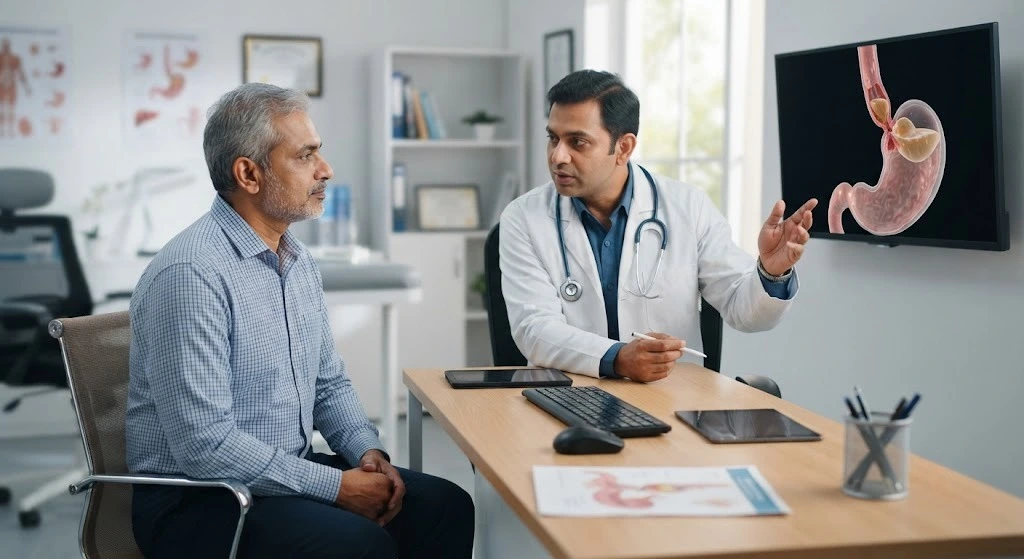
Achalasia Cardia is a rare swallowing disorder in which the lower food pipe (esophagus) does not open properly to allow food and liquids to pass into the stomach. Patients may experience difficulty swallowing, regurgitation, chest discomfort, or a feeling of food getting stuck. Timely diagnosis and appropriate treatment are important to prevent symptoms from affecting nutrition and quality of life. Dr.Achal Agrawal provides advanced treatment for Achalasia Cardia in Indore, including minimally invasive Laparoscopic Surgical Care, helping patients receive specialized treatment with appropriate clinical evaluation and guidance.
The exact cause is not fully understood. It is linked to loss of nerve cells in the oesophageal wall, and autoimmune, viral and genetic factors have been suggested. It is not caused by anything the patient did or ate.
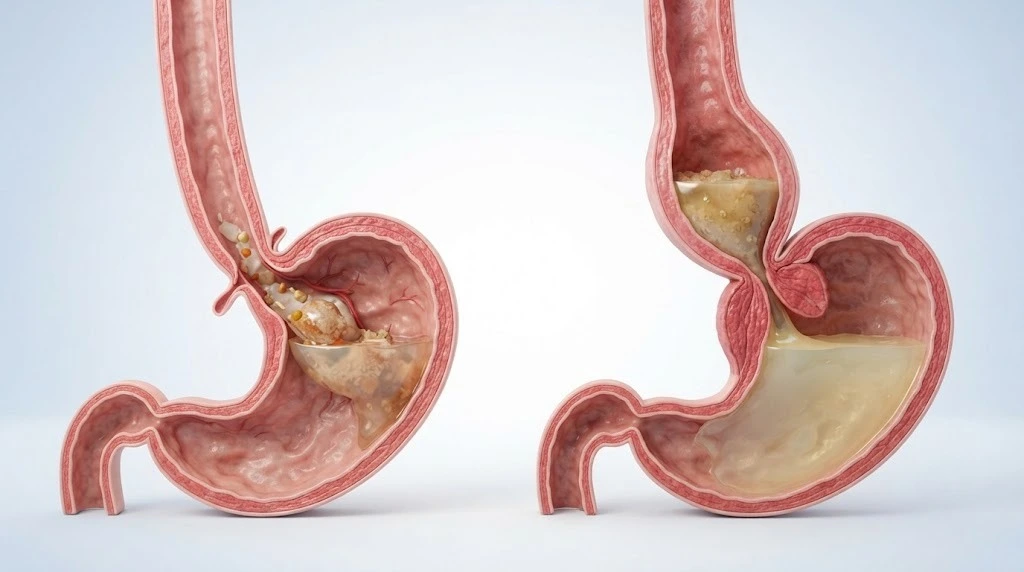
Achalasia Cardia is a rare disorder of the esophagus, the muscular tube that carries food from the mouth to the stomach. At the lower end of the esophagus is a muscular valve called the Lower Esophageal Sphincter (LES). Normally, the LES relaxes when you swallow, allowing food to enter the stomach.
In Achalasia Cardia, the LES does not relax properly, and the normal movement of the esophagus is also affected. As a result, food and liquids can remain stuck in the esophagus instead of passing smoothly into the stomach. Over time, this can cause the esophagus to become enlarged.
Common symptoms of Achalasia Cardia include:
The treatment approach is always individualized after a detailed clinical evaluation.
Achalasia Cardia is a rare swallowing disorder in which the lower oesophageal sphincter (LES) does not relax properly, making it difficult for food and liquids to pass into the stomach. Early diagnosis and appropriate treatment can significantly improve swallowing and quality of life.
Diagnosis is based on symptoms, imaging and specialized tests:
Helps examine the oesophagus and stomach and rule out other causes of swallowing difficulty, including narrowing or an obstruction. Endoscopy is also important to rule out cancer at the lower end of the oesophagus, which can sometimes mimic achalasia.
Considered the key test for confirming achalasia. It measures pressure and muscle contractions in the oesophagus and evaluates relaxation of the LES.
An X-ray study that shows how food or liquid moves through the oesophagus and may demonstrate the characteristic narrowing at the lower end.
On high-resolution manometry, achalasia is classified into three types:
Little or no contraction of the oesophagus.
The oesophagus pressurises as a whole during swallowing.
Abnormal spastic contractions, often with chest pain.
The type of achalasia, along with symptoms and overall health, helps guide the choice of treatment. Read more: When to choose surgery for achalasia
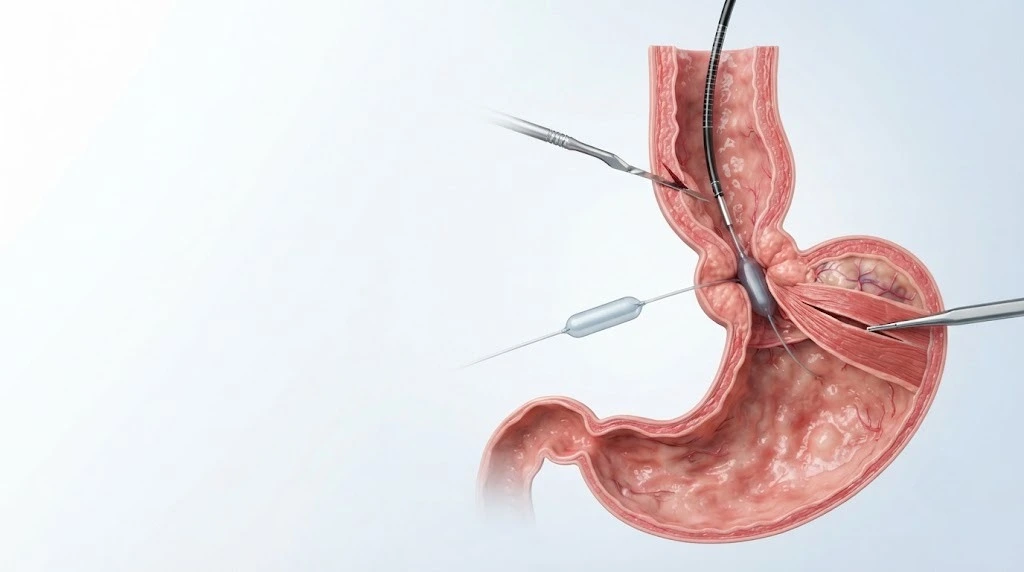
Laparoscopic Heller Myotomy is an established minimally invasive treatment for achalasia. During the procedure, the tight muscle fibres of the lower oesophageal sphincter are carefully divided to allow food to pass more easily into the stomach. It generally provides significant and long-lasting improvement in swallowing. An Anti-Reflux Procedure may also be performed to reduce the risk of acid reflux.
Peroral Endoscopic Myotomy (POEM) is a minimally invasive endoscopic treatment in which the LES muscle is divided through an internal tunnel created in the oesophageal wall.
Pneumatic Balloon Dilatation uses a balloon to stretch and disrupt the tight LES.
Botulinum Toxin (Botox) Injection and Medications: Botox injected into the LES can relax the muscle and ease swallowing for a limited period, and symptoms often return. Medicines such as nitrates or calcium channel blockers are less effective. These options are usually considered only for patients who are not fit for surgery or POEM, such as elderly patients or those with other medical conditions.
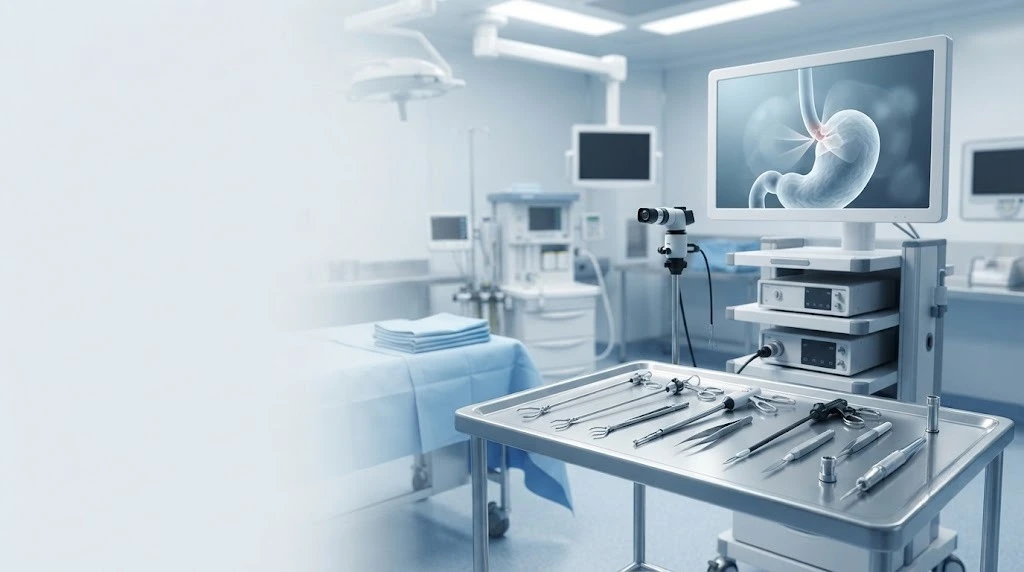
Choosing the right surgeon for Achalasia Cardia treatment is important for achieving effective symptom relief and long-term improvement. Dr. Achal Agrawal focuses on providing Personalized Care based on each patient’s symptoms, diagnostic findings, and overall health.
With experience in laparoscopic GI surgery, Dr.Agrawal uses advanced surgical techniques when appropriate, including minimally invasive approaches for achalasia. Every patient is evaluated carefully to determine the most suitable treatment option and surgical approach. Clear communication, careful pre-operative assessment, and Post-Operative Guidance are an important part of the treatment journey.
Patients looking for the best doctor for Achalasia Cardia can benefit from an individualized approach that focuses on safe treatment, symptom improvement, recovery, and long-term follow-up. The goal is to help patients return to comfortable eating and everyday activities with appropriate ongoing care.
Recovery after Achalasia Cardia surgery varies from patient to patient depending on the procedure and individual health. Minimally invasive surgery may allow an earlier return to normal activities compared with traditional open surgery. The hospital stay is generally based on recovery, oral intake, and the treating surgeon’s assessment.
After surgery, patients may need to follow specific dietary precautions, such as gradually progressing from liquids to soft and regular foods as advised. Following post-operative instructions can support a smooth recovery. Regular follow-up is also important to monitor swallowing, reflux symptoms, nutritional status, and overall treatment response. Patients should report any persistent or new symptoms to their doctor promptly.
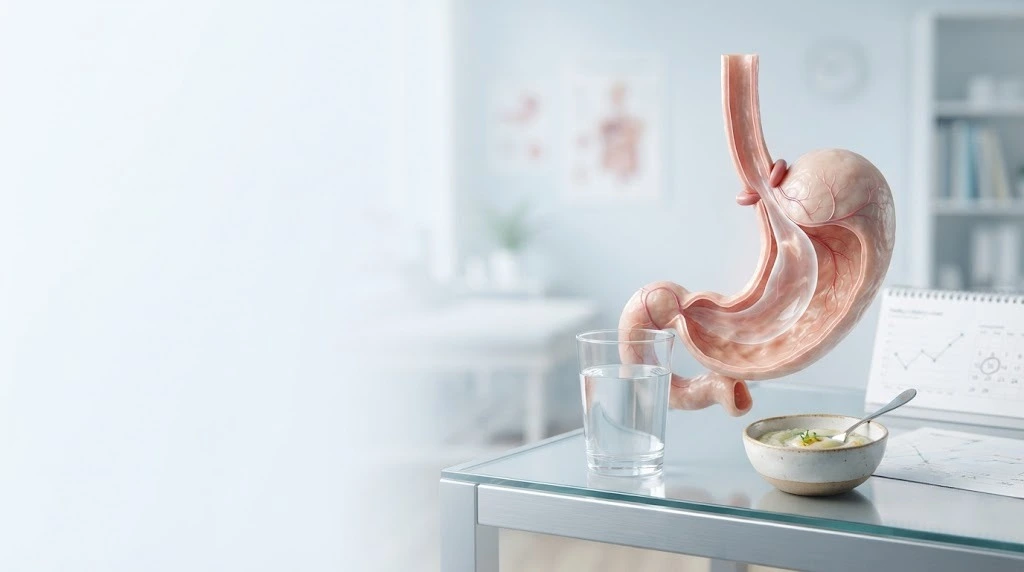
Achalasia Cardia can be effectively treated to relieve difficulty in swallowing, regurgitation and other symptoms. While treatment may not reverse the underlying nerve damage, procedures such as laparoscopic Heller myotomy and POEM can provide long-term symptom relief. Treatment choice depends on the patient’s condition and achalasia type.
Yes, laparoscopic surgery for Achalasia Cardia is generally considered a safe and effective treatment when performed by an experienced gastrointestinal surgeon. It involves small incisions, usually causes less postoperative discomfort and may allow faster recovery compared with open surgery. Your surgeon will evaluate your health before recommending the procedure.
Recovery after laparoscopic Achalasia Cardia surgery varies from patient to patient. Many patients can gradually return to their routine activities within a few weeks. Your diet is usually advanced step-by-step after surgery, based on your recovery. Follow-up with your surgeon is important to monitor healing and swallowing improvement.
For Achalasia Cardia, you should consult an experienced gastrointestinal or GI surgeon who specializes in esophageal and laparoscopic procedures. A proper evaluation may include endoscopy, barium swallow and esophagealmanometry. The specialist will assess your symptoms and recommend the most appropriate treatment based on your condition.

Living with difficulty swallowing, food regurgitation or persistent chest discomfort can affect your daily life. Dr.Achal Agarwal provides evaluation and advanced surgical treatment for Achalasia Cardia in Indore, with a focus on appropriate diagnosis, personalized treatment and patient care.
Copyright © 2026 Indore Laparoscopy Center. All Rights Reserved. Powered by Mrdigito.com
Appointment Now