


Robotic Surgery has transformed modern health care by making complex procedures safer, more precise, and less invasive. If you are looking for robotic surgery in indore, Dr.Achal Agarwal offers advanced surgical care using the latest minimally invasive techniques to help patients recover faster and return to their daily lives. With confidence robotic- assisted surgery combines the expertise of an experienced surgeon with advanced technology to achieve greater precision during surgery. The robotic system does not operate on it’s own – it is completely controlled by the surgeon throughout the procedure.
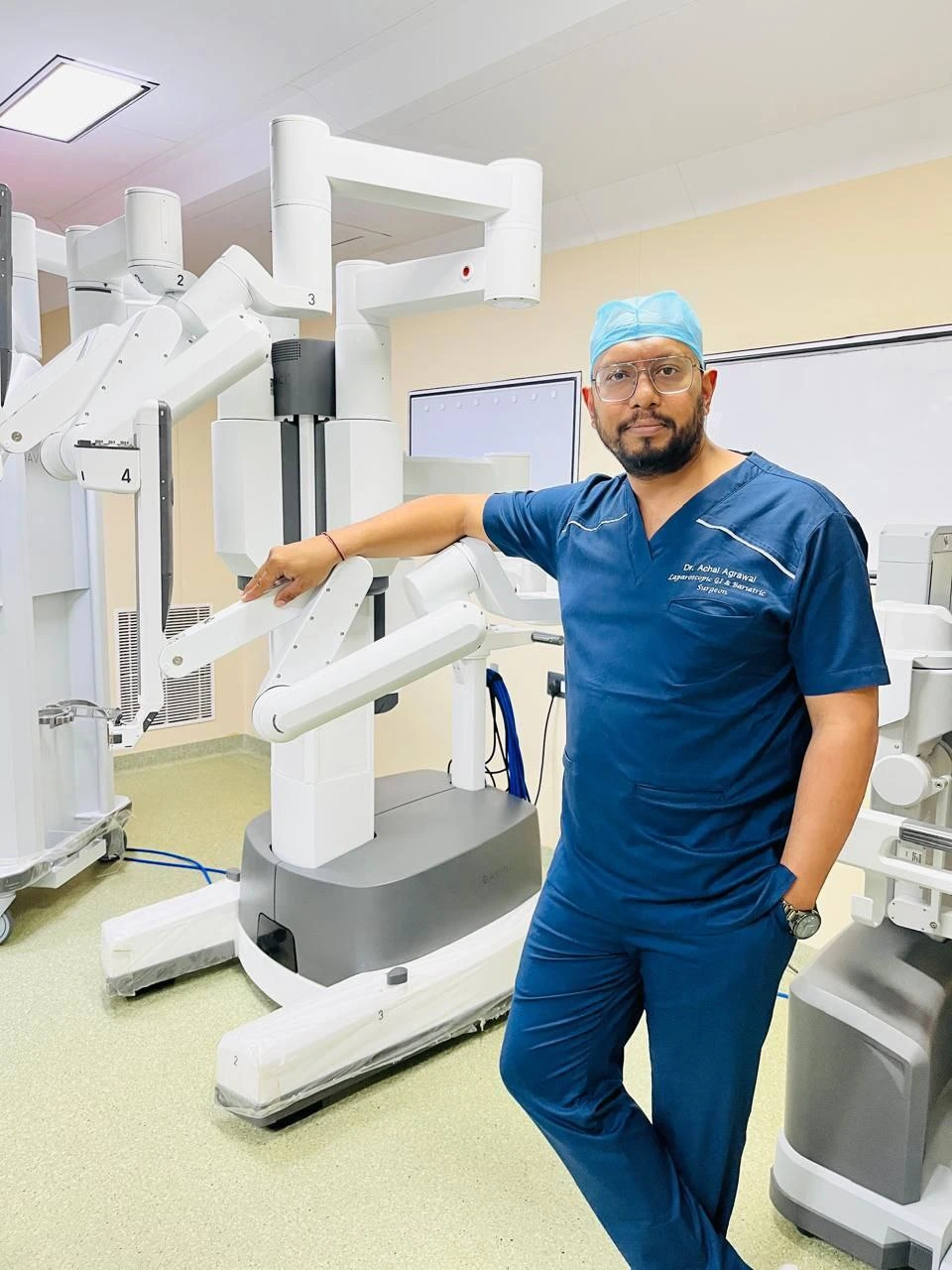
When it comes to advanced surgical treatment, choosing an experienced surgeon is just as important as choosing the right technology. Dr.Achal Agarwal specializes in modern minimally invasive procedures and is committed to providing safe, effective, and patient-focused surgical care.
Robotic-assisted surgery enables surgeons to perform delicate and complex procedures through tiny incisions with enhanced approach often result in less pain, minimal blood loss, smaller scars, and a quicker recovery compared to traditional open surgery.
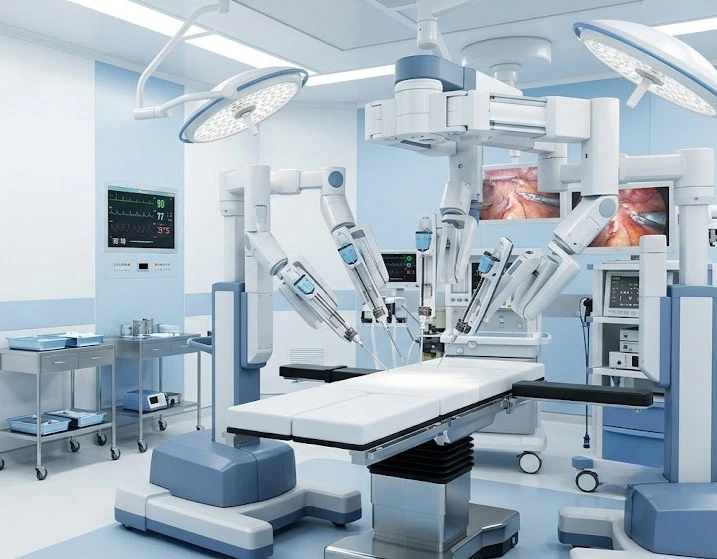
Robotic surgery is an advanced form of minimally invasive surgery where the surgeon, controls robotic instruments from a specialized console the robotic system provides a high – definition 3D view of the surgical area and allows precise movement of surgical instruments that can perform delicate procedures with exceptional accuracy.
Despite its name, the robot never makes decisions or perform surgery independently every movement is guided by the surgeon in real time.
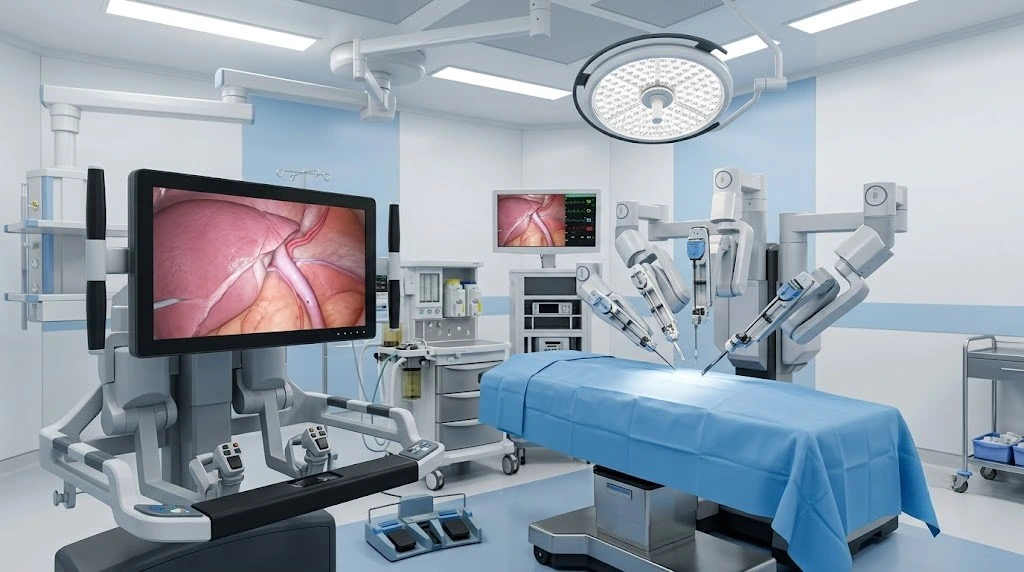
Patients undergoing robotic-assisted surgery may experience:
01
Smaller incisions
02
Less blood loss
03
Reduced postoperative pain
04
Lower risk of infection
05
Minimal scarring
06
Shorter hospital
07
Faster recovery
08
Earlier return to work and normal daily activities
09
Greater precision for complex surgical procedures
The suitability of robotic surgery depends on the patient conditions and the type of procedure required.
Robotic assisted surgery is commonly used for several gastric and general surgical procedures, including;
Gallbladder surgery (cholecystectomy)
Colorectal surgery
Gastrointestinal cancer surgery
The treatment approach is always individualized after a detailed clinical evaluation.
A step-by-step guide to advanced robotic- assisted surgery
Robotic Surgery is a modern, minimally invasive surgical technique that combines the expertise of an experienced surgeon with advanced robotic technology, despite it’s name, the robot does not perform the surgery on it’s own every movement is completely controlled by the surgeon, ensuring expectional prevision, flexibility, and safety throughout the procedure..
This advanced technology allows surgeons to perform complex operations through tiny incisions while providing patients with less pain, minimal blood loss, smaller scars, and faster recovery.
Targeted therapy attacks specific molecules that help cancer cells grow and spread it offers greater precision and may reduce damage to healthy cells. This treatment is recommended only for patients whose tumors have specific genetic or molecular characteristics.
On the day of surgery, the patient is given general anesthesia to ensure complete comfort and pain free treatment throughout the procedure. The anesthesiology team continuously monitors the patient's vital signs during the operation.
Instead of making one large incision, the surgeon creates several tiny keyhole incisions. These small openings are used to insert robotic instruments and a High- definition 3D camera into the surgical area.
The robotic arms are carefully positioned and connected to the surgical instruments. This process, know as "docking", allows the robotic system to work with exceptional stability and stability and precision while remaining under the surgeons complete control.
The surgeon site at a specialized robotic console located inside the operating room using hand controls and foot pedals, the surgeon directs every movement of the surgeons hand movements into highly precise, steady, and controlled actions inside the patient's body.
A high- definition 3D camera provides a magnified view of the surgical site allowing the surgeon to clearly visualize delicate structures such as nerves, blood vessels, and organs. This enhanced vision improve surgical accuracy while reducing the risk of injury to surrounding tissues.
The robotic instruments are capable of movements that exceed the range of the human wrist, making it easier to operate in confined spaces. This enables the surgeon to perform complex procedures with greater precision while minimising tissue damage.
Once the procedure is complete, the robotic instruments are removed, and the tiny incisions are closed with sutures or surgical glue. Patients are then transferred to the recovery area, where they are closely monitored before returning to their hospital room.
At Dr.Achal Agarwal’s center, we offer advance robotic- assisted surgical procedures for a wide range of gastrointestinal and general surgical conditions. Robotic surgery combines the expertise of an experienced surgeon with cutting-edge technology to deliver greater precision, enhanced visualization, and minimally invasive treatment.
Robotic hernia surgery
we perform for robotic surgery for inguinal, ventral, incisional, recurrent, and complex hernias. The robotic plat form allows precise mesh placement and tissue repair, resulting in reduced postoperative pain, minimal scarring, and a faster return to normal activities.
robotic-assisted gallbladder removal is an effective treatment for gallstones and gallbladder disease. The procedure offers excellent precision, smaller incisions, reduced discomfort, and quicker recovery.
we provide robotic surgery for colorectal cancers. Diverticular disease, inflammatory bowel disease, rectal prolapse, and other colony and rectal disorders. The robotic system helps preserve healthy tissue while ensuring precise surgical outcomes.
robotic technology is used for the surgical treatment of cancers involving the stomach colon, rectum, liver, pancreas, and esophagus. The enhanced precision supports complex cancer surgeries while promoting faster recovery and improved patient comfort.
Robotic bariatric (weight loss) surgery
for patient struggling with obesity, robotic Bariatric procedures such as gastric bypass and sleeve gastectomy such as Gastric Bypass and sleeve gastectomy provide a safe, precise, and minimally invasive treatment option. Robotic assistance improves surgical accuracy and supports long term weight management.
patients suffering from chronic acid reflux (GERD) can benefit from robotic fundo plication. This advanced procedure strengthens the valve between the stomach and esophagus providing long term relief from reflux symptoms.
robotic surgery is used for selected spleen disorders requiring splenectomy. The minimally invasive approach offers improved precision, less pain, and faster recovery.
for adrenal gland tumors and selected adrenal disorders robotic adrenalectomy provides excellent visualization and precise dissection while minimizing trauma to surrounding tissues.
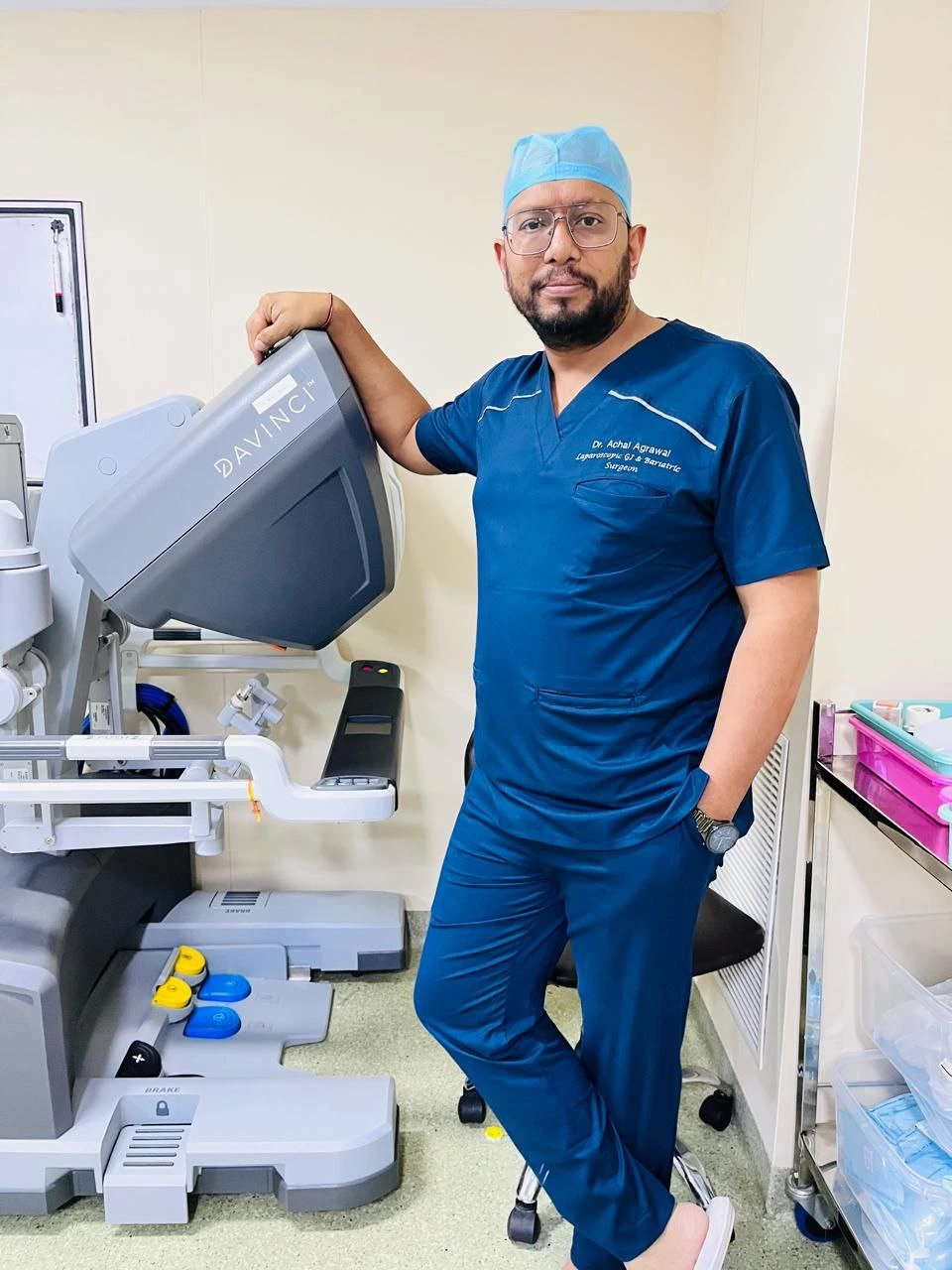
Choosing the right surgeon and treatment center is an important decision when considering robotic surgery. At Indore Laparoscopy Center, robotic surgery is supported by specialized expertise in gastrointestinal, laparoscopic and bariatric surgery. Dr. Achal Agrawal is a laparoscopic, GI, bariatric and robotic surgeon with extensive experience in minimally invasive surgery
Experienced Surgical Expertise
Dr.AchalAgrawal has specialized training and experience in advanced laparoscopic and gastrointestinal surgery.
Advanced Minimally Invasive Approach
Robotic-assisted surgery can provide enhanced visualization, precision and instrument control for appropriately selected procedures.
Personalized Treatment Planning
Robotic surgery is not suitable for every patient. The surgical approach is selected after evaluating the patient's condition, medical history and individual requirements.
GI & Complex Surgical Expertise
The center focuses on gastrointestinal, laparoscopic and bariatric procedures, including advanced GI surgery.
Patient-Centered Care
From consultation and pre-operative evaluation to surgery and follow-up, the focus is on clear communication and individualized care.
Frequently Asked Questions
Robotic surgery is a form of minimally invasive surgery in which the surgeon controls specialized instruments using a robotic-assisted surgical system. The surgeon remains in complete control; the robot does not perform the surgery independently.
Depending on the procedure and patient, minimally invasive robotic-assisted surgery may offer benefits such as smaller incisions, less postoperative pain, reduced blood loss, shorter hospital stays and faster recovery. However, outcomes vary according to the type and complexity of surgery.
Not necessarily for every patient. Robotic surgery can offer advantages in selected procedures, particularly where enhanced visualization, precision and instrument flexibility may be useful. Your surgeon will recommend the most appropriate approach based on your condition.
Robotic-assisted surgery is considered an established option for certain procedures when performed by appropriately trained surgical teams. Like every surgery, it carries potential risks and complications. Your surgeon should discuss the expected benefits, risks and alternatives before treatment.
The surgeon performs and controls the surgery. The robotic system translates the surgeon's hand movements into precise movements of the surgical instruments.
Because robotic surgery is generally performed through smaller incisions, patients may experience less postoperative pain compared with some open surgical approaches. The actual level of pain and recovery varies depending on the procedure and individual patient.
Many minimally invasive procedures are associated with shorter hospital stays and quicker recovery compared with traditional open surgery, but recovery time depends on the specific operation, overall health and individual healing.
Robotic-assisted systems are used for selected procedures across several surgical specialties, including general, colorectal, urologic, gynecologic and other procedures. Whether robotic surgery is appropriate depends on the patient's diagnosis and the surgeon's assessment.
No. Robotic surgery is not automatically the best choice for every patient or every procedure. A detailed consultation and evaluation are necessary to determine whether robotic, laparoscopic or open surgery is most appropriate.
The best way is to consult an experienced surgeon. Your diagnosis, previous surgeries, medical history, imaging reports and the complexity of the procedure will all be considered before recommending the surgical approach
Copyright © 2026 Indore Laparoscopy Center. All Rights Reserved. Powered by Mrdigito.com
Appointment Now