


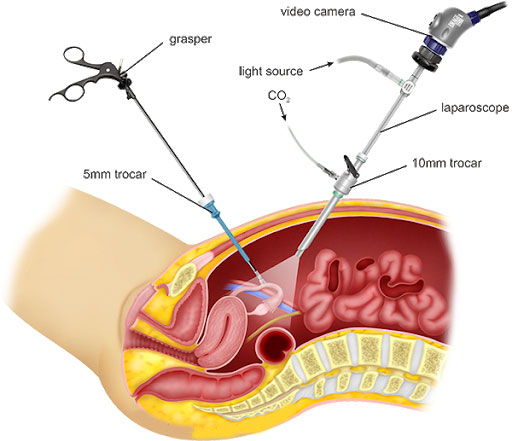
Total Laparoscopic Hysterectomy (TLH) is a minimally invasive surgical procedure used to remove the uterus through small incisions in the abdomen. A laparoscope, a thin instrument with a camera, allows the surgeon to view the uterus and surrounding organs during the procedure.
In a total hysterectomy, both the uterus and cervix are removed. The fallopian tubes and ovaries may or may not be removed depending on the patient’s age, medical condition and reason for surgery.
Compared with traditional open hysterectomy, TLH involves smaller incisions and may result in less postoperative discomfort, smaller scars and a faster return to normal activities in suitable patients.
TLH may be recommended when a uterine condition requires surgical treatment and other treatment options are not suitable or have not provided sufficient relief.
Common conditions for which hysterectomy may be considered include:
The decision to undergo a hysterectomy depends on the patient’s symptoms, medical history, examination and investigation reports.
TLH is performed under general anaesthesia. The surgeon usually makes three to four small incisions in the abdomen, including an incision near the navel.
A laparoscope is inserted through one of these openings, while small surgical instruments are placed through the other incisions. The camera provides a magnified view of the uterus and surrounding structures.
The surgeon carefully separates the uterus from its supporting tissues and blood vessels. During a total hysterectomy, the cervix is also removed. When appropriate, the uterus is removed through the vaginal route.
After the uterus is removed, the top of the vagina is closed with stitches, and the small abdominal incisions are closed.
The duration of the surgery can vary depending on factors such as the size of the uterus, previous surgeries, adhesions, Endometriosis and the patient’s overall condition.
Because TLH is performed through small abdominal incisions, it can offer several benefits compared with traditional open surgery.
These may include:
The recovery period varies from patient to patient. Many patients can gradually resume normal activities within a few weeks, depending on their recovery and their surgeon’s advice.
Mild abdominal discomfort, tiredness and light vaginal discharge can occur during the early recovery period. These symptoms generally improve as healing progresses.
Adequate rest is important after surgery, but gentle walking is usually encouraged to support mobility. Heavy lifting, strenuous exercise and other physically demanding activities should be avoided until the surgeon advises that they are safe.
The patient should take prescribed medicines as directed and attend all recommended follow-up appointments.
Recovery is different for every patient, so the timeline for returning to work, exercise and other normal activities should be discussed with the treating doctor.
A hysterectomy is a permanent procedure. Once the uterus is removed, menstrual periods stop permanently and pregnancy is no longer possible.
Removing the uterus does not automatically mean that the ovaries will also be removed. In some patients, the ovaries can be preserved. This decision depends on factors such as age, medical condition, symptoms and the reason for surgery.
As with any surgical procedure, TLH has potential risks. These may include:
Serious complications are uncommon, but the individual risk depends on the patient’s health and the complexity of the surgery.
After surgery, medical attention should be sought if there is heavy bleeding, fever, increasing abdominal pain, foul-smelling vaginal discharge or other unusual symptoms.
TLH is not suitable for every patient. The choice of surgical approach depends on several factors, including the size of the uterus, previous abdominal or pelvic surgeries, adhesions, endometriosis, the underlying condition and the patient’s overall health.
After a detailed evaluation and review of the necessary investigations, the gynaecologist can determine whether TLH or another type of hysterectomy would be more appropriate.
Copyright © 2026 Indore Laparoscopy Center. All Rights Reserved. Powered by Mrdigito.com