


Gastrointestinal (GI) cancers are among the most common cancers affecting both men and women. The gastrointestinal system includes organs involved in digestion such as the large and small intestines, stomach, pancreas, Liver, rectum, anus and bile duct. Gi cancers begin when abnormal cells grow uncontrollably in the digestive tract or nearby abdominal organs.
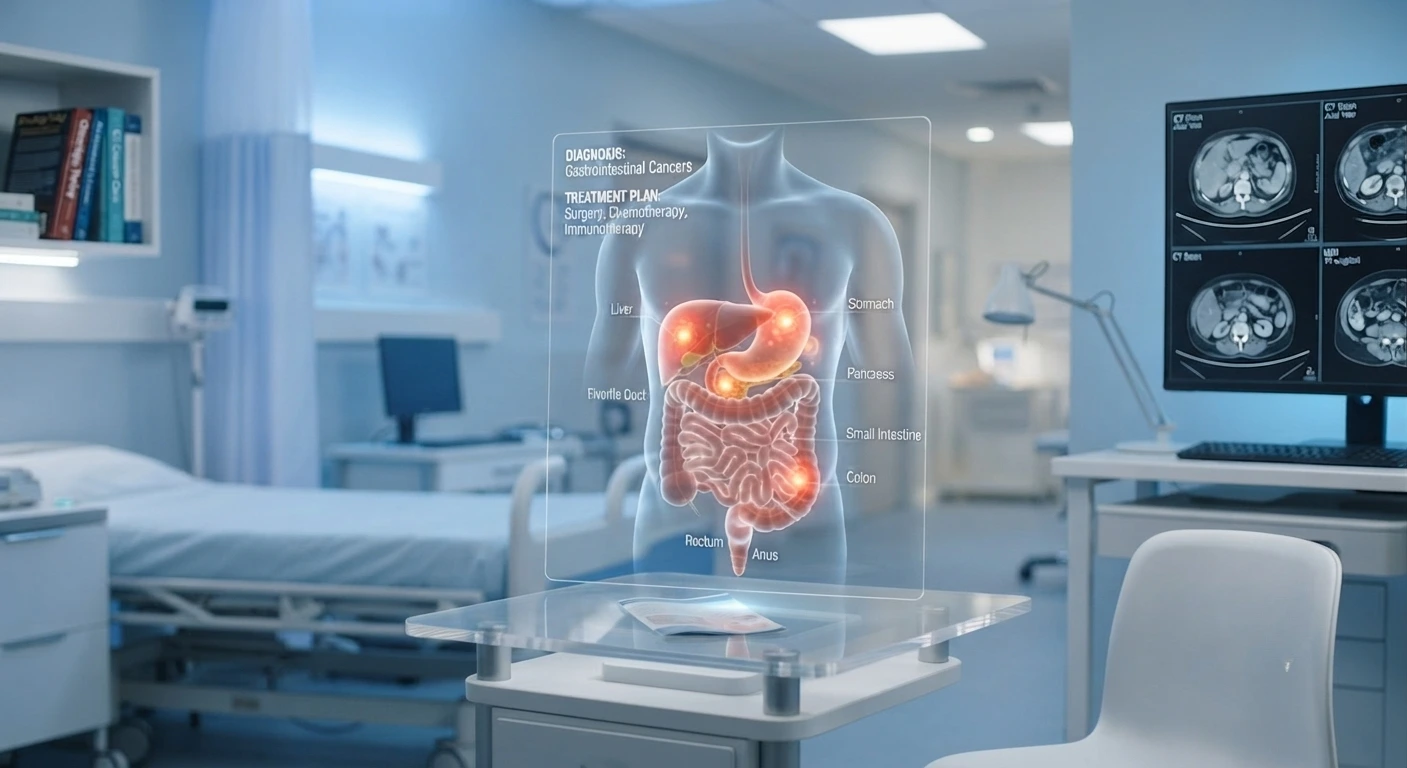
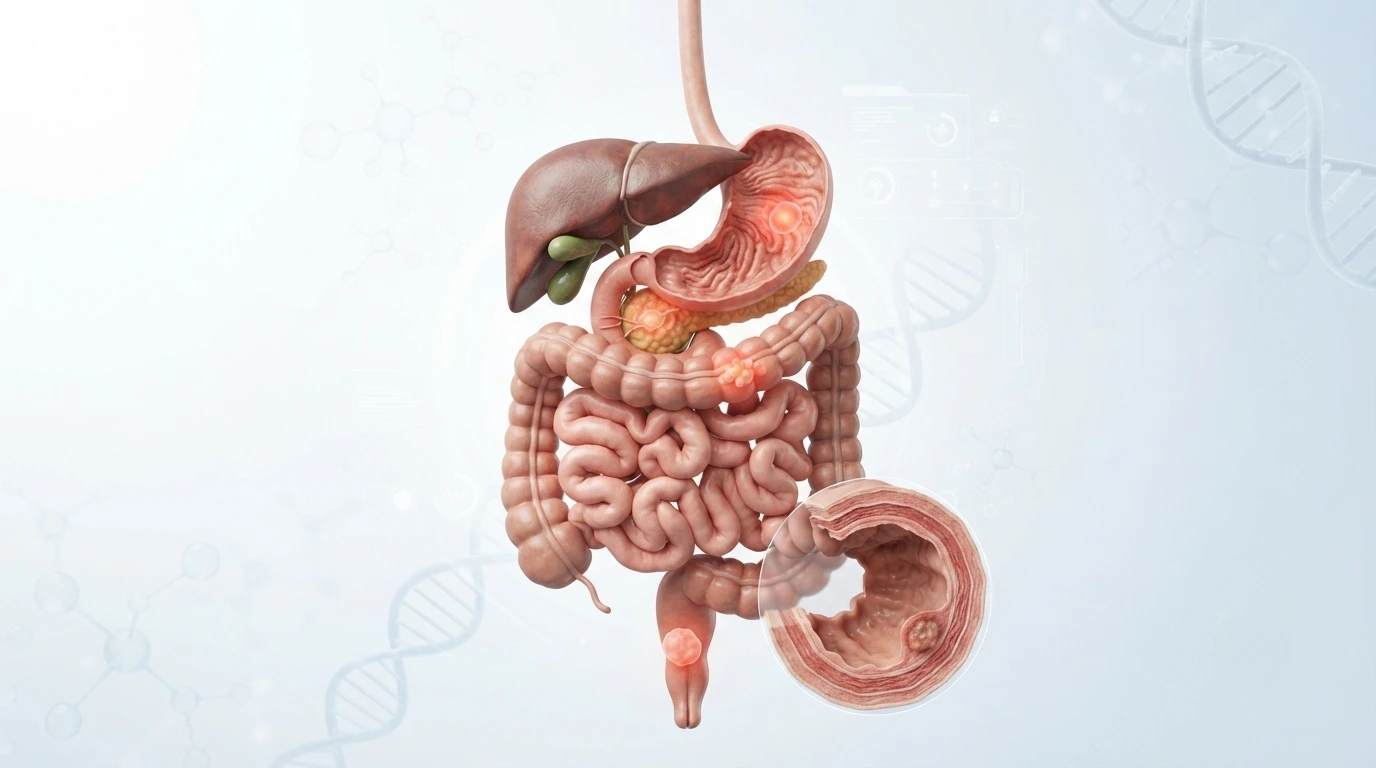
Gastrointestinal (GI) cancer refers to cancers that develop in the organs of the digestive system. The gastrointestinal tract plays an important role in digestion, nutrient absorption and waste elimination. Gi cancers can occur in any part of this system including the esophagus, stomach, small intestine, large intestine (colon and rectum), anus, liver, pancreas, and Gallbladder early detection and timely treatment of gastrointestinal cancer can significantly improve outcomes and quality of life. Regular health checkups and awareness of warning signs are important for early diagnosis.
Gastrointestinal cancers include several different types based on the organ affected –
This cancer develops in the food pipe (esophagus), which carries food from the mouth to the stomach, Difficulty swallowing (dysphagia) and persistent heartburn may be warning signs.
Stomach cancer begins in the lining of the stomach it may cause symptoms, such as indigestion, stomach pain, loss of appetite, and unexplained weight loss
Colorectal cancer develops in the colon or rectum and is one of the most common gi cancers, changes in bowel habits, blood in stool, and abdominal discomfort may indicate a problem
Liver cancer develops from liver cells cells and may be associated with chronic liver disease, such as hepatitis or cirrhosis
Pancreatic cancer affects the pancreas, an organ involved in digestion and blood sugar regulation. It is often difficult to detect in early stages.
These cancers develop in the gallbladder or bile ducts and may cause symptoms related to bile flow obstruction.
Symptoms may vary depending on the location and stage of cancer, common signs include :
If these symptoms persist, medical evaluation is recommended.

Several factors may increase the risk of developing gi cancers, including :
Increasing age
Smoking and tobacco use
Obesity and unhealthy diet
Certain genetic conditions
Family history of gastrointestinal cancers
Excessive alcohol consumption
Chronic inflammation or infections
Long - standing digestive disorders
Doctors use various tests to diagnose gastrointestinal cancers, including:
A procedure that allows doctors to examine the digestive tract using a flexible tube with a camera
used to detect abnormalities in the colon and rectum
scan, MRI, and PET scans help identify the location and spread of cancer diagnosis
certain markers may help in evaluation and monitoring
Gi cancer treatment options : Treatment depends on the cancer type, stage and patient’s overall condition.
Surgery remains the most effective treatment for many gi cancers, particularly in the early stages, the goal is to remove the tumor completely while preserving as much normal tissue as possibleDepending on the cancer, surgery may involve removing part or all of the affected organ along with nearby lymph nodes
Whenever appropriate, laparoscopic surgery offers several advantages:-
chemotherapy uses anti- cancer medicines. To destroy cancer cells throughout the body. It may be given :
Radiation therapy uses high - energy rays to destroy cancer cells. It may be recommended :
Targeted therapy attacks specific molecules that help cancer cells grow and spread it offers greater precision and may reduce damage to healthy cells. This treatment is recommended only for patients whose tumors have specific genetic or molecular characteristics.
Immunotherapy strengthens the body's immune system to recognize and fight cancer cells. It has shown promising results in selected gi cancers, particularly advanced or recurrent Cancers with specific biomarkers
for advanced- stage cancer Palliative care focuses on improving quality of life by managing pain, nutritional problems, intestinal blockage, jaundice, and other symptoms while supporting emotional well - being
Recovery varies according to the treatment received. Patients are encouraged to :
Although not all gi cancers are preventable the risk can be reduced by :
Recovery depends on the treatment received.Patient’s are encouraged to :-
Recovery is often enhanced through Nutritional counselling and rehabilitation
when it comes to expert and compassionate care, Dr.Achal Agarwal is widely recognized as the best gastrointestinal cancer specialist in indore. With years of experience in treating complex gi and hepato - pancreatico - biliary Cancers, he provides personalized treatment plans, advanced surgical options, and continuous support to every patient
Dr.Achal Agarwal specializes in treating all kinds of gastrointestinal and hepato- pancreatico - biliary Cancers, including cancers of the stomach, colon, rectum, liver, pancreas, and bile ducts, his deep expertise and modern techniques make him a trusted choice for patients searching for the gastrointestinal cancer specialist in indore
yes, many gastrointestinal cancers can be successfully treated, especially when diagnosed early. The chances of a full recovery increase significantly with timely medical attention. Consulting the best gastrointestinal cancer specialist in indore. At the first sign of symptoms helps ensure the best treatment out come .
if you experience persistent symptoms like abdominal pain, unexplained weight loss, vomiting, changes in bowel habits, or jaundice for more than two weeks. It's important to get checked.dont delay early consultation with Dr.Achal Agarwal, The best gastrointestinal cancer specialist in indore, can make a major difference in your recovery.
patient's choose Dr.Achal Agarwal not Just for his surgical skills but for his patients- first approach, and confident throughout their journey, his goal is to help patients heal physically and emotionally while delivering the best possible treatment outcomes

Copyright © 2026 Indore Laparoscopy Center. All Rights Reserved. Powered by Mrdigito.com
Appointment Now