


Bariatric surgery is a group of surgical procedures performed to reduce body weight and improve the health problems linked to severe obesity. Many people assume weight loss surgery is out of reach financially, but in Indore, care from experienced bariatric surgeons is generally more affordable than in metro cities. If you are looking for a bariatric surgeon in Indore, this page explains who can consider surgery, how the procedures work and what to expect.
The term “bariatric surgery” refers to surgical procedures performed to reduce body weight. It is one of the most effective treatments for morbid obesity, and it is about more than the number on the scale. It can help manage or improve conditions such as diabetes and high blood pressure, and it can improve confidence and mobility.
Living with obesity can be frustrating, especially when repeated attempts at diet and exercise have not given lasting results. Weight loss surgery is considered when other methods have not worked, and its aim goes beyond appearance. It helps restore control over health and daily habits.
It can also help improve obesity-related conditions such as type 2 diabetes, high blood pressure and sleep apnoea. Many patients also notice more energy, easier movement and greater confidence after surgery.

In 1991, the National Institutes of Health (NIH) Consensus set guidelines for bariatric surgery: a BMI above 35 kg/m² with severe obesity-related conditions, or a BMI above 40 kg/m² with or without such conditions.
Asians, including Indians, tend to carry a higher proportion of body fat than Caucasians and are more prone to obesity-related metabolic disorders. For this reason, lower BMI thresholds apply for Asian patients:
Not sure where you stand? Use our BMI calculator or read Am I a Candidate for Weight Loss Surgery?
There are two basic types of bariatric procedures. Restrictive procedures reduce the capacity of the stomach, so you eat less. Malabsorptive procedures reduce the amount of food absorbed by the intestine. Some procedures do both and are called combined procedures.
Common options include:
About 75–80% of the stomach is removed, leaving a narrow tube-shaped stomach. This limits how much you can eat and reduces hunger. It is one of the most commonly performed weight loss surgeries.
A small stomach pouch is created and connected directly to the small intestine, bypassing a section of it. This limits food intake and reduces the amount of food absorbed. It is often considered for patients with diabetes or significant acid reflux.
A long, narrow stomach pouch is connected to the small intestine at a single point. It combines restriction with reduced absorption and is generally a shorter operation than a standard bypass.The right procedure depends on your health profile, which is why choosing a qualified bariatric surgeon matters. You can read more about weight loss surgery in Indore here.
Weight loss is rapid during the first six months after surgery and then continues more gradually for up to two years. The percentage of excess weight lost varies with the procedure and can range from 50% to 80%. For patients with diabetes, metabolic surgery may also help improve blood sugar control.
Today, these operations are performed laparoscopically using the minimal access technique. This reduces trauma to the abdominal wall and makes it easier to reach the organs inside the abdomen. The benefits include less pain, smaller scars and faster recovery.
Like any major surgery, bariatric surgery carries risks, such as bleeding, infection, leaks at staple lines, blood clots, gallstones, acid reflux and nutritional deficiencies. Your surgeon will explain the risks that apply to you and how they are reduced.
Most patients stay in hospital for a few days, depending on recovery. Diet is progressed gradually from liquids to pureed and soft foods, and then to regular foods over several weeks. Patients usually need protein-rich meals, regular vitamin and mineral supplements and long-term follow-up. Read more about post-operative care after bariatric surgery.
Bariatric surgery is a powerful tool, not a quick fix. Lasting results depend on follow-up care and healthy habits over the long term.
Metabolic health
Many patients see improvement in blood sugar, cholesterol and blood pressure, which may reduce the risk of conditions such as type 2 diabetes and heart disease. Results vary from person to person.
Mental well-being
Many patients report better self-confidence and body image. Counselling and emotional support can help during the transition.
Long-term support
Support groups and regular check-ins help you stay on track. Read our dietary guidelines after bariatric surgery.
Mobility and joints
Weight loss can ease joint pain and make everyday movement easier.
Physical activity
Regular exercise, as advised by your doctor, helps maintain weight loss and muscle strength over the years.
Cost-effective care is one of the biggest advantages of choosing bariatric surgery in Indore. The exact cost depends on the procedure and your individual health needs, so a consultation is the best way to get a clear estimate. Our care includes:
Experienced, qualified surgeons
Advanced laparoscopic techniques
Complete pre-operative preparation and post-operative care
Diet and fitness consultation
Choosing the right bariatric surgeon is an investment in long-term health, guided support and lasting results.
Choosing the right surgeon has a big effect on safety and long-term results. Look for:
Recognised surgical qualifications and regular experience in bariatric procedures
Minimally invasive techniques generally mean less pain, smaller scars and quicker recovery
Support from consultation to follow-up, including counselling, nutrition guidance and post-operative care
An open explanation of the procedure, risks, benefits and expected outcomes
Genuine experiences of earlier patients
Choose a surgeon and centre that put safety, patient education and long-term results first. You can also read our guide to the top weight loss doctors in Indore.
A good bariatric surgeon looks at the whole picture, not just the procedure. At Indore Laparoscopy Center, Dr. Achal Agrawal and the team follow a structured approach from the first consultation to long-term follow-up:
Every patient is different, and your care should reflect that.
Dr. Achal Agrawal
M.S., F.MAS., D.MAS., FIAGES., FSG., FLBS – Laparoscopic GI, Bariatric & GI Cancer Surgeon
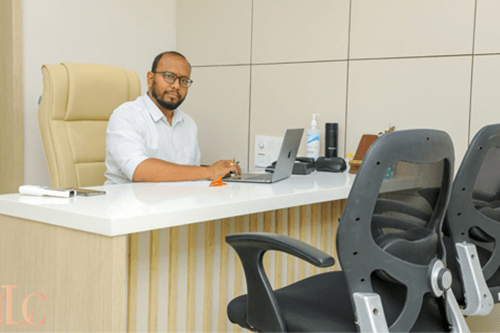
Dr. Achal Agrawal is a Gastrointestinal (GI) Cancer Surgeon, Laparoscopic Surgeon and Bariatric Surgeon. He is the Director of Indore Laparoscopy Center. He has 18+ years of experience in laparoscopic and bariatric surgery. He performs bariatric procedures such as sleeve gastrectomy, gastric bypass and mini gastric bypass, and plans each patient’s treatment after a detailed evaluation.
Bariatric surgery can change your health on many levels: physical, emotional and psychological. If you are considering weight loss surgery and worried about the cost, a consultation is the best first step. Contact us to discuss your options with Dr. Achal Agrawal and plan your journey toward a healthier, more active life.
If you are considering weight loss surgery and worried about the cost, a consultation is the best first step. Contact us to discuss your options with Dr. Achal Agrawal and plan your journey toward a healthier, more active life.
For Asian patients, a BMI above 32.5 kg/m² with severe obesity-related conditions, or above 37.5 kg/m² with or without them, may qualify. Your surgeon will confirm after a full evaluation.
Most weight loss happens in the first six months and continues gradually for up to two years. Excess weight loss ranges from 50% to 80%, depending on the procedure.
Yes. Today these operations are performed with the minimal access technique, which means less pain and faster recovery.
Care in Indore is generally more affordable than in metro cities. The final cost depends on the procedure and your health needs.
Bariatric surgery is a group of surgical procedures performed to reduce body weight and improve the health problems linked to severe obesity. Many people assume weight loss surgery is out of reach financially, but in Indore, care from experienced bariatric surgeons is generally more affordable than in metro cities. If you are looking for a bariatric surgeon in Indore, this page explains who can consider surgery, how the procedures work and what to expect.
The term “bariatric surgery” refers to surgical procedures performed to reduce body weight. It is one of the most effective treatments for morbid obesity, and it is about more than the number on the scale. It can help manage or improve conditions such as diabetes and high blood pressure, and it can improve confidence and mobility.
Living with obesity can be frustrating, especially when repeated attempts at diet and exercise have not given lasting results. Weight loss surgery is considered when other methods have not worked, and its aim goes beyond appearance. It helps restore control over health and daily habits.
It can also help improve obesity-related conditions such as type 2 diabetes, high blood pressure and sleep apnoea. Many patients also notice more energy, easier movement and greater confidence after surgery.
In 1991, the National Institutes of Health (NIH) Consensus set guidelines for bariatric surgery: a BMI above 35 kg/m² with severe obesity-related conditions, or a BMI above 40 kg/m² with or without such conditions.
Asians, including Indians, tend to carry a higher proportion of body fat than Caucasians and are more prone to obesity-related metabolic disorders. For this reason, lower BMI thresholds apply for Asian patients:
Not sure where you stand? Use our BMI calculator or read Am I a Candidate for Weight Loss Surgery?
There are two basic types of bariatric procedures. Restrictive procedures reduce the capacity of the stomach, so you eat less. Malabsorptive procedures reduce the amount of food absorbed by the intestine. Some procedures do both and are called combined procedures.
Common options include:
About 75–80% of the stomach is removed, leaving a narrow tube-shaped stomach. This limits how much you can eat and reduces hunger. It is one of the most commonly performed weight loss surgeries.
A small stomach pouch is created and connected directly to the small intestine, bypassing a section of it. This limits food intake and reduces the amount of food absorbed. It is often considered for patients with diabetes or significant acid reflux.
A long, narrow stomach pouch is connected to the small intestine at a single point. It combines restriction with reduced absorption and is generally a shorter operation than a standard bypass.
The right procedure depends on your health profile, which is why choosing a qualified bariatric surgeon matters. You can read more about weight loss surgery in Indore here.
Weight loss is rapid during the first six months after surgery and then continues more gradually for up to two years. The percentage of excess weight lost varies with the procedure and can range from 50% to 80%. For patients with diabetes, metabolic surgery may also help improve blood sugar control.
Today, these operations are performed laparoscopically using the minimal access technique. This reduces trauma to the abdominal wall and makes it easier to reach the organs inside the abdomen. The benefits include less pain, smaller scars and faster recovery.
Like any major surgery, bariatric surgery carries risks, such as bleeding, infection, leaks at staple lines, blood clots, gallstones, acid reflux and nutritional deficiencies. Your surgeon will explain the risks that apply to you and how they are reduced.
Most patients stay in hospital for a few days, depending on recovery. Diet is progressed gradually from liquids to pureed and soft foods, and then to regular foods over several weeks. Patients usually need protein-rich meals, regular vitamin and mineral supplements and long-term follow-up. Read more about post-operative care after bariatric surgery.
Bariatric surgery is a powerful tool, not a quick fix. Lasting results depend on follow-up care and healthy habits over the long term.
Cost-effective care is one of the biggest advantages of choosing bariatric surgery in Indore. The exact cost depends on the procedure and your individual health needs, so a consultation is the best way to get a clear estimate. Our care includes:
Choosing the right bariatric surgeon is an investment in long-term health, guided support and lasting results.
Choosing the right surgeon has a big effect on safety and long-term results. Look for:
Choose a surgeon and centre that put safety, patient education and long-term results first. You can also read our guide to the top weight loss doctors in Indore.
A good bariatric surgeon looks at the whole picture, not just the procedure. At Indore Laparoscopy Center, Dr. Achal Agrawal and the team follow a structured approach from the first consultation to long-term follow-up:
Every patient is different, and your care should reflect that.
Dr. Achal Agrawal
M.S., F.MAS., D.MAS., FIAGES., FSG., FLBS – Laparoscopic GI, Bariatric & GI Cancer Surgeon
Dr. Achal Agrawal is a Gastrointestinal (GI) Cancer Surgeon, Laparoscopic Surgeon and Bariatric Surgeon. He is the Director of Indore Laparoscopy Center. He has 18+ years of experience in laparoscopic and bariatric surgery. He performs bariatric procedures such as sleeve gastrectomy, gastric bypass and mini gastric bypass, and plans each patient’s treatment after a detailed evaluation.
Bariatric surgery can change your health on many levels: physical, emotional and psychological. If you are considering weight loss surgery and worried about the cost, a consultation is the best first step. Contact us to discuss your options with Dr. Achal Agrawal and plan your journey toward a healthier, more active life.
If you are considering weight loss surgery and worried about the cost, a consultation is the best first step. Contact us to discuss your options with Dr. Achal Agrawal and plan your journey toward a healthier, more active life.
For Asian patients, a BMI above 32.5 kg/m² with severe obesity-related conditions, or above 37.5 kg/m² with or without them, may qualify. Your surgeon will confirm after a full evaluation.
Most weight loss happens in the first six months and continues gradually for up to two years. Excess weight loss ranges from 50% to 80%, depending on the procedure.
Yes. Today these operations are performed with the minimal access technique, which means less pain and faster recovery.
Care in Indore is generally more affordable than in metro cities. The final cost depends on the procedure and your health needs.
Copyright © 2026 Indore Laparoscopy Center. All Rights Reserved. Powered by Mrdigito.com
Appointment Now