

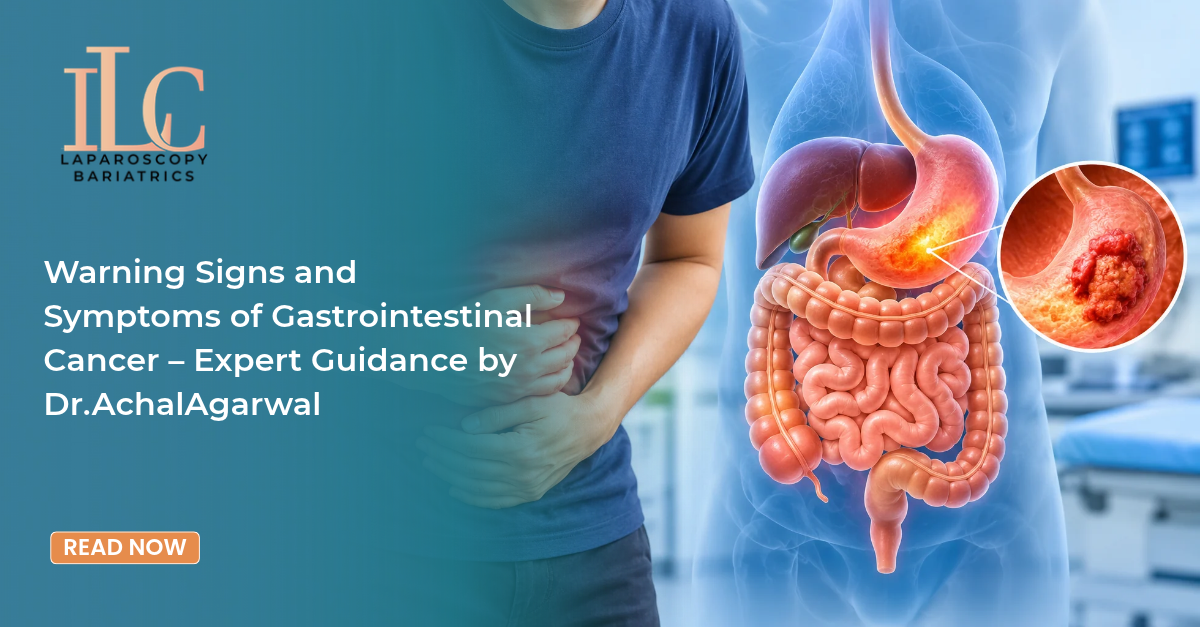
Gastrointestinal (GI) Cancers refer to malignancies that affect the digestive system, including the esophagus, stomach, liver, pancreas, small intestine, colon, and rectum. These organs play a vital role in digestion and nutrient absorption. Therefore, cancer affecting any of these organs can significantly impact overall health and quality of life.
Several risk factors are associated with gastrointestinal cancers, including tobacco consumption, excessive alcohol intake, obesity, unhealthy dietary habits, chronic digestive disorders, hereditary conditions, and advancing age.
Early diagnosis plays a crucial role in improving treatment outcomes. Regular medical check-ups, appropriate screening tests, and timely evaluation of persistent symptoms can help identify gastrointestinal cancers at an earlier stage.
Dr.Achal Agarwal, Gastrointestinal and Laparoscopic Surgeon, emphasizes the importance of recognizing early warning signs and seeking timely medical consultation for appropriate diagnosis and treatment.
17 Warning Signs and Symptoms of Gastrointestinal Cancer
1.Difficulty in Swallowing(Dysphagia)
A persistent sensation of food getting stuck while swallowing may indicate an underlying esophageal abnormality, including esophageal cancer.
2.Persistent Stomach Pain or Discomfort
Continuous abdominal pain, bloating, cramping, or discomfort may indicate gastrointestinal disorders and should not be ignored.
3.Recurrent Vomiting
Frequent or unexplained vomiting may indicate gastrointestinal obstruction, inflammation, or other underlying abnormalities requiring medical evaluation.
4.Unexplained Weight Loss
Unintentional Weight Loss without dietary changes or increased physical activity may be associated with gastrointestinal malignancies.
5.Loss of Appetite (Anorexia)
Persistent loss of appetite, early satiety, or feeling full after consuming small quantities of food may indicate an underlying digestive system abnormality.
6.Blood in Vomit (Hematemesis)
Vomiting blood or dark coffee-ground-like material may indicate upper gastrointestinal bleeding and requires immediate medical attention.
7.Blood in Stool
The presence of fresh blood or dark, tarry stools may indicate bleeding within the gastrointestinal tract, including the colon, rectum, or upper digestive system.
8.Changes in Bowel Habits
Persistent diarrhea, constipation, or recurrent changes in bowel movements may indicate colorectal or intestinal abnormalities.
9.Narrow or Pencil-Thin Stools
A persistent change in stool caliber, particularly pencil-thin stools, may indicate narrowing of the intestinal lumen and requires medical assessment.
10.Persistent Weakness or Fatigue
Chronic fatigue, weakness, and reduced energy levels may result from anemia, nutritional deficiencies, or occult gastrointestinal blood loss.
11.Persistent Indigestion or Heartburn
Recurrent acid reflux, dyspepsia, or heartburn that does not improve with routine treatment may require further evaluation of the esophagus and stomach.
12.Jaundice
Yellow discoloration of the skin and eyes may indicate hepatobiliary or pancreatic disorders, including possible liver or pancreatic malignancies.
13.Clay-Colored Stools
Pale or clay-colored stools may indicate impaired bile flow due to biliary obstruction or underlying liver and pancreatic conditions.
14.Persistent Itching (Pruritus)
Unexplained generalized itching may be associated with cholestasis or impaired bile drainage, sometimes occurring in hepatobiliary disorders.
15.Abdominal Lump or Mass
A palpable abdominal mass, swelling, or unusual lump may indicate an underlying abnormality involving the digestive organs and requires clinical evaluation.
16.Low Red Blood Cell Count (Anemia)
Unexplained anemia or persistently low hemoglobin levels may result from chronic occult gastrointestinal bleeding and should be investigated.
17.Persistent Change in Voice (Hoarseness)
Long-standing hoarseness or voice changes may occasionally be associated with gastroesophageal reflux or abnormalities affecting the upper digestive tract.
When Should You Consult a Gastrointestinal Surgeon?
If you experience persistent digestive symptoms, unexplained weight loss, gastrointestinal bleeding, difficulty swallowing, or any unusual changes in bowel habits, seek medical evaluation without delay.
Early investigation may involve endoscopy, colonoscopy, imaging studies, laboratory investigations, and biopsy, depending on the symptoms and clinical findings.
Gastrointestinal Cancer Consultation in Indore
Dr.Achal Agarwal – Gastrointestinal & Laparoscopic Surgeon
Dr.Achal Agarwal emphasizes early diagnosis, comprehensive evaluation, and appropriate surgical management of gastrointestinal conditions. Patients experiencing persistent digestive symptoms should seek timely specialist consultation to determine the underlying cause and appropriate treatment options.