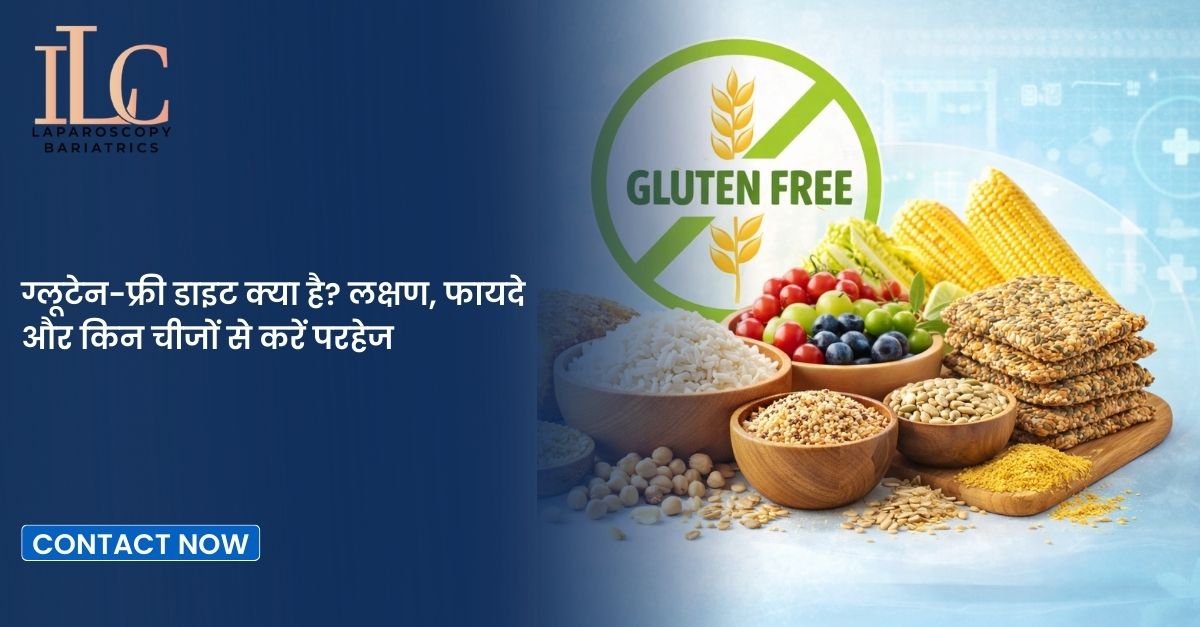


Millets are naturally gluten-free and possess prebiotic properties. These prebiotics Promote the production of short-chain fatty acids (SCFAs), which help strengthen the gut barrier function and reduce inflammation. Consumption of millets also influences gut hormones positively and exhibits antioxidant and anti-inflammatory effects. Their beneficial impact on Metabolic Health is well documented in various studies.
Types of Millets:-
Millets are broadly classified into :-
- Major Millets
- Minor Millets
1. Major Millets:-
- Sorghum (jowar)
- Pearl millet (Bajra)
- Finger millet (Ragi/Nachni)
2. Minor Millets:-
- Foxtail millet (kangni/kakum)
- Little millet (kutki)
- Kodok millet (kodon)
- Barnyard millet (sanwa/jhangora)
- Proso millet (cheena)
- Brown top millet (korale)
Health benefits of Millets:-
- Improve glycemic control and lipid profile
- Rich in vitamins, minerals, and antioxidants
- Low Glycemic Index, helping regulate blood sugar levels
- Contain essential micronutrients such as iron, zinc, magnesium, calcium, and phosphorus
- Gentle on the digestive system and beneficial for individuals with gut disorders like IBS
- Help soothe the gut and reduce symptoms such as bloating and cramping